
11:47 PM
Afterhours
For what happens after

Creativity2024-10-054 min read
The Creative Process at Night
By MayaPhotographer
Read
Why some of the best work happens when the world is asleep. Unpacking the routines, rituals, and environments that foster late-night innovation among artists, writers, and entrepreneurs who find their flow state when the sun goes down.
There is a profound difference between working late out of necessity and working late by choice. The former is a race against a deadline, characterized by stress and exhaustion. The latter is a deliberate entry into a specialized creative zone. For many artists, writers, and entrepreneurs, the night is not the end of the day, but the beginning of their most vital work. Understanding this process requires looking beyond the romanticized image of the tortured artist and examining the practical realities of the nocturnal workflow.
The most significant advantage of the night is the concept of 'uninterrupted time.' During the day, time is fragmented by meetings, messages, and the general friction of interacting with society. At 2 AM, time stretches out—a vast, blank canvas. This unbroken continuity is essential for entering a 'flow state,' that elusive psychological condition where focus is absolute and the work seems to pour out effortlessly. The lack of context-switching allows the brain to dive deeper into complex problems and sustain creative momentum for hours.
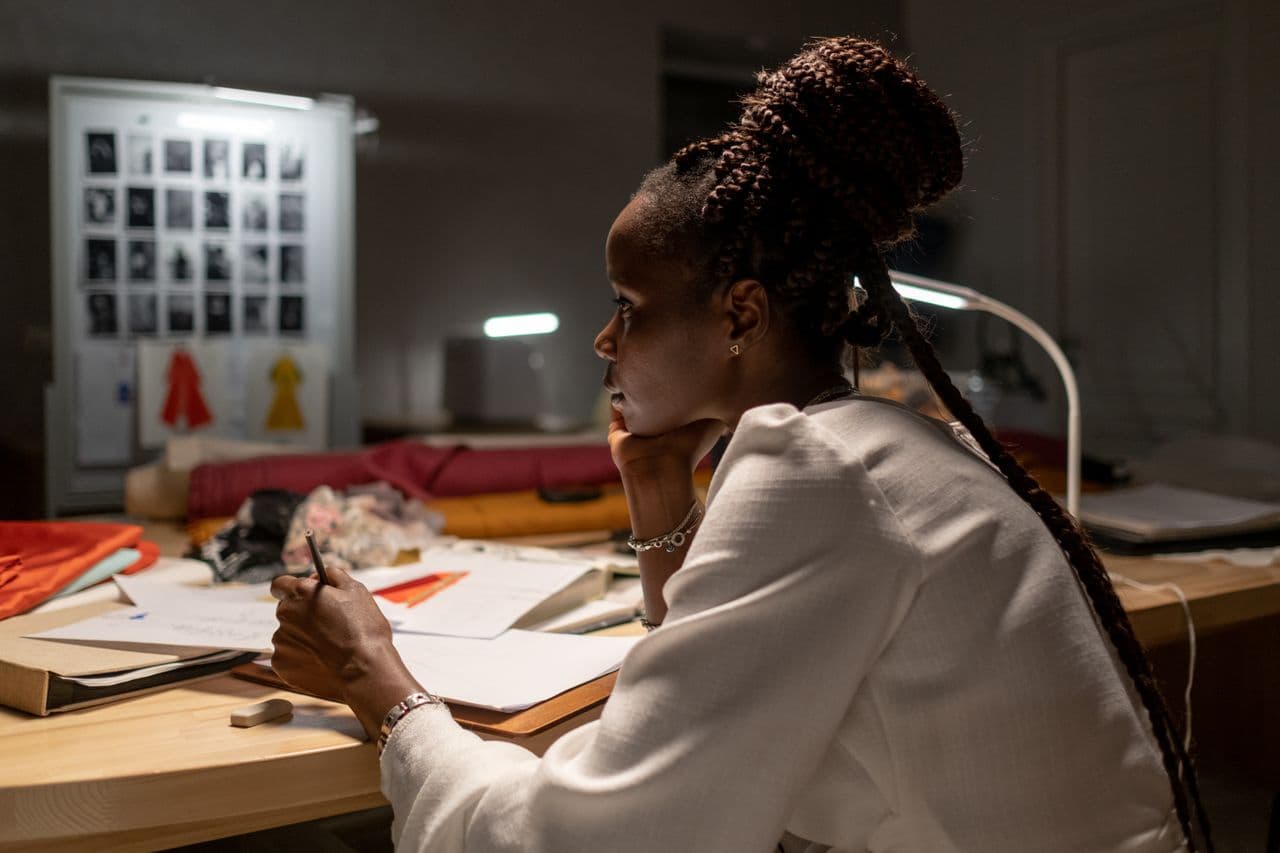
Furthermore, the physical environment of the night shift plays a crucial role. The sensory reduction—the dim lighting, the silence, the isolation—forces the mind to turn inward. Without the constant barrage of external stimuli, imagination takes over. The creative process at night is often more intuitive and less self-censored. It's a time when bold ideas feel less risky and conventional rules seem less rigid. It is in this quiet, focused isolation that true innovation often takes root.

Maya
Photographer
Written on 2024-10-05 · 4 min read
Related Stories
Join the conversation